Buy Coca Leaves Canada | Coca Leaves For Sale
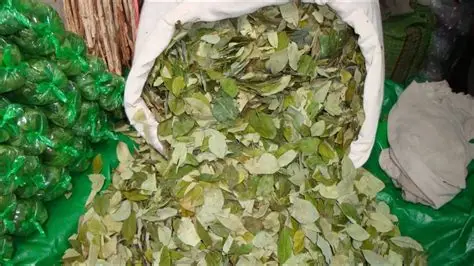
Buy Coca Leaves Canada, a 100% natural coca leaves products that retains all the healing properties of the coca leaf, made with finely chopped leaves and packed in heat-sealable filter paper.Coca leaves, the source of the stimulant cocaine, hold a rich history intertwined with indigenous cultures and complex legal landscapes.
Botanical Overview and Geographical Origins
The coca plant, Erythroxylum coca, is a shrub native to the Andean region of South America. Flourishing in the high-altitude environments of countries such as Bolivia, Peru, Colombia, and Ecuador, the plant thrives in conditions marked by specific soil compositions, humidity, and sunlight exposure. Several distinct varieties exist, each adapted to specific microclimates and altitudes. The plants typically grow to a height of a few meters, bearing small, oval-shaped leaves that are the key component of interest.
The leaves themselves are characteristically green when fresh, transitioning to a yellowish hue upon drying. They possess a distinctive flavor profile, a combination of bitterness, slight sweetness, and a lingering numbing sensation when chewed. This numbing effect is a direct result of the alkaloids present within the leaves, most notably cocaine. The concentration of these alkaloids varies depending on the species of coca plant, the environment in which it’s grown, and the processing techniques used.
Traditional Use and Cultural Significance | Buy Coca Leaves Canada Online
For millennia, indigenous populations across the Andes have utilized coca leaves in a variety of ways, deeply integrating them into their cultural practices, spiritual ceremonies, and daily routines. Chewing coca leaves, known as “coqueo” or “chacchar,” has been a fundamental practice, providing sustenance, energy, and a connection to cultural traditions, especially in high altitude regions. The leaves are typically chewed with an alkaline substance, such as lime or ash. The alkaline substance aids in the release of the alkaloids, intensifying their effects. This practice is believed to not only alleviate feelings of hunger and fatigue, but also to enhance concentration, improve endurance, and combat the symptoms of altitude sickness.
Beyond their practical benefits, coca leaves hold significant spiritual importance within Andean cultures. They are used in religious ceremonies, divination practices, and as offerings to deities. The leaves are often sprinkled as a sign of respect or good fortune, playing a central role in rituals marking important life events, such as births, marriages, and deaths. The ability to “read” the leaves, interpreting their arrangement and form after they have been chewed and expelled, is a respected practice used for guidance and understanding in indigenous communities.
Potential Health Benefits and Pharmacological Properties
Proponents of coca leaf consumption highlight several potential health benefits. The leaves are rich in essential nutrients, including vitamins (such as A, B2, and C), minerals (such as calcium, iron, and phosphorus), and antioxidants. The chewing of coca leaves has been linked to improved digestion and absorption of nutrients.
Furthermore, coca leaves contain a variety of alkaloids, each with its own pharmacological effects. They can help diminish physical fatigue, and offer stimulation. These effects are often compared to the effects of caffeine, but different compounds are at play.
The leaves have also been considered to possess medicinal properties. In traditional medicine, they have been used to treat a variety of ailments, including headaches, toothaches, and altitude sickness. In some cases, coca leaves are utilized in conjunction with other herbs and remedies, forming integral components of holistic health practices.
Extraction and the Production of Cocaine
It is crucial to acknowledge the critical link between coca leaves and the illicit production of cocaine. Coca leaves are the exclusive raw material for extracting this controlled substance. The process for cocaine extraction, involving the maceration of the leaves in chemical solvents, results in the concentration of cocaine alkaloid. The production and distribution of cocaine have been linked to significant social and economic problems, including violence, addiction, and organized crime.
The complex association of coca leaves with cocaine production has resulted in substantial legal restrictions and international efforts to control the cultivation, processing, and distribution of coca plants.
Legal Status and Regulatory Framework
The legal status of coca leaves varies significantly across different countries and regions. In the Andean countries of Bolivia and Peru, the traditional use of coca leaves is legally protected. These cultures see the practice of coca leaf chewing as a fundamental aspect of their cultural heritage and lifestyle. The laws and regulations here typically permit the cultivation and use of coca leaves for traditional purposes, while strictly controlling their diversion for cocaine production.
In contrast, in many other parts of the world, regulations often prohibit both the cultivation and possession of coca leaves. This is primarily the result of international treaties and agreements aimed at controlling the production and distribution of illicit drugs.
The legal landscape surrounding coca leaves is constantly evolving. Ongoing debates address the tension between respecting cultural traditions, regulating the production of cocaine, and recognizing the potential therapeutic benefits of coca leaf extracts, thereby stimulating ongoing research and discussion concerning the appropriate legal frameworks governing the use of the plant and its derivatives.
Methods of Consumption
Coca leaves are typically consumed through traditional methods, such as chewing, blending them to make tea, or using them in food products.
- Chewing/Chacchar: The most traditional method involves chewing the leaves with an alkaline substance like lime or ash. This releases the alkaloids, creating a stimulating effect. The leaves are held in the mouth and chewed for extended periods, and many people will spit out the leaves when the desirable stimulant effects are obtained.
- Coca Tea (Mate de Coca): Coca tea is made by infusing dried coca leaves in hot water. This beverage is consumed in the Andes and is thought to offer a mild form of stimulation, and to ease other discomforts.
- Other Food Products: Coca leaf extract or ground coca leaves can be used in the production of food items, such as candies, cookies, and energy drinks. In some countries, these products are sold commercially, offering a way to consume coca leaves without the use of controlled substances like cocaine.
Cautions and Considerations
Consumption of coca leaves raises several considerations:
- Addiction Potential: While coca leaves contain cocaine, the concentration is lower than in refined cocaine. The habitual use of coca leaves can still result in dependence.
- Effects of Consumption: Consumption can lead to increased energy, concentration, and appetite suppression. Common negative effects may include anxiety, insomnia, and increased heart rate, and there are possible implications that relate to cardiovascular health.
- Cultural Sensitivity: It is essential to approach the topic of coca leaves with cultural sensitivity, recognizing the role it plays in the lives of indigenous communities.
- Legality: The legality of coca leaf consumption varies from country to country. Before using coca leaves, it’s essential to be aware of local laws and regulations.
Buy Coca leaves Online – Coca leaves
Coca leaves were used by natives of South America for special occasions and religious events long ago. Coca paste is an intermediary product in the chemical extraction of cocaine from coca leaves. Abusers smoke coca paste in a dried form, which contains from 40 to 91% cocaine. Over the past 10 years, this pattern of drug abuse has attained epidemic proportions in some Latin American countries, particularly in Bolivia, Colombia, and Peru.
How much do coca leaves cost per gram?
Buy coca leaves for sale from reputable suppliers, safe
Is it possible to get coca leaf in the Canada?
Categories: Coca Leaf, Coca Teas, Peruvian Products. Tags: Delisse, Tea Bags. This is the only way we were able to get leaves in the Canada and there is no other possible way, for over a year we have exhausted all routes and probabilities.
What is coca leaf used for in Bolivia? | Purchase Coca Leaves In Canada | Coca Leaves For Sale In Canada
In their natural form, coca leaves (buy coca leaves online) provide nothing more than a mild stimulant, akin to coffee. Brewing the leaves into tea is popular among all levels of Bolivian society, but among the working class, and especially for those whose labor is physically demanding, coca is usually chewed.
Why buy 100% natural coca leaves products? | Buy Coca Leaves Canada | Order Coca Leaves Canada
Buy Coca Leaves – Coca leaf in Capsules, Coca Powder COCAINKA
After you’ve got a good amount of leaves(Buy coca leaves online) squirreled away inside your cheek, you need to activate the alkaloids inside them to feel any effect. Some people use bicarbonate powder, but a more pleasant option is lejía: a sweet-tasting combination of ash and flavor.
A tiny nip every fifteen minutes or so, and the mild stimulant effects of the coca can last for hours. Please Order coca leaves online or coca leaves for sale online from our shop now at $10 per gram and get doorstep delivery.
| Quantity | 250g, 500g, 1kg, 2.5kg, 5kg |
|---|
Be the first to review “Buy Coca Leaves Canada”
Related products
Buy Cocaine Online Canada

Buy Cocaine Online Canada
Buy Cocaine Online Canada
Buy Cocaine Online Canada
Buy Cocaine Online Canada
Buy Cocaine Online Canada
Buy Cocaine Online Canada
Buy Cocaine Online Canada
Reviews
There are no reviews yet.